Modern architecture has changed significantly over the years. Today, people are not only looking for strong structures but also for designs that are visually appealing, flexible, and cost-effective. One of the most innovative solutions that has become increasingly popular in recent years is the tensile fabric structure. These structures are now widely used in commercial buildings, parking areas, stadiums, walkways, resorts, airports, and residential spaces because they combine durability with modern aesthetics.
Unlike conventional concrete or steel roofing systems, tensile structures use specially engineered fabric materials that are stretched and supported through cables and steel frameworks. Their unique appearance and practical benefits have made them a preferred choice for architects and property owners. We provide innovative tensile solutions designed to create attractive and functional spaces for different applications.
Understanding a Tensile Fabric Structure
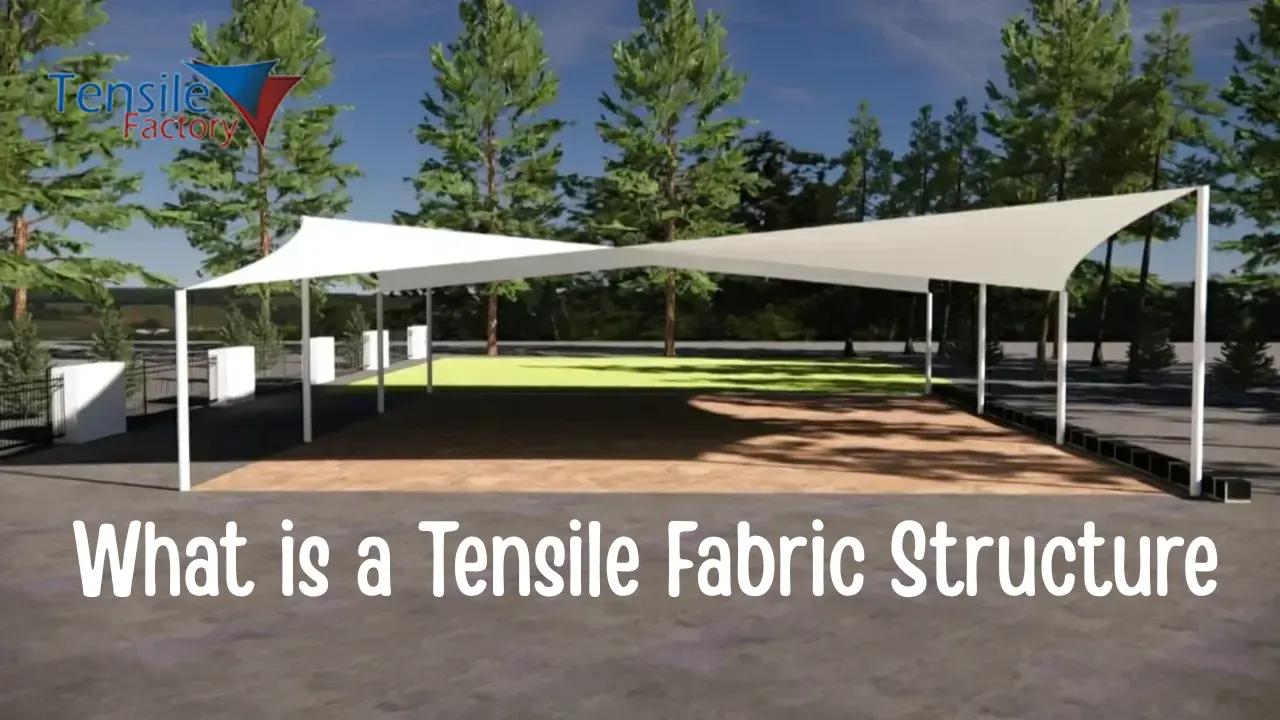
A tensile fabric structure is a construction system where fabric material is stretched under tension and supported by a structural framework. Instead of relying mainly on compression like traditional buildings, these structures use tension forces to maintain shape and strength. The fabric material is carefully stretched between support points to create a stable and visually attractive structure. The result is a lightweight yet strong design that can cover large areas without requiring multiple support columns. Modern tensile fabric structures can be designed in different shapes and sizes according to project requirements.
Also Read: What is Tensile Structure? Types, Advantages & How It Works
How Does a Tensile Fabric Structure Work?
The working principle behind a tensile fabric structure is relatively simple. The structure uses a balance between tension and support elements.
The fabric itself remains under constant tension. Steel cables, columns, and supporting frames hold the fabric tightly in place. This controlled tension creates stability and allows the structure to maintain its shape even under changing environmental conditions.
The design distributes loads evenly throughout the system. Rainwater, wind pressure, and other external forces are managed effectively because of the curved or stretched form of the structure. Unlike conventional roofs that depend mainly on heavy materials for support, a tensile fabric roof achieves strength through engineering and structural balance.
Components of Tensile Fabric Structures
Several important components work together to create a functional tensile system.
Fabric Membrane
The fabric membrane is the most visible part of the structure. It serves as the covering material and provides protection from weather conditions. The tensile fabric used in these systems is specially designed to handle outdoor conditions and maintain long-term performance.
Steel Framework
Steel columns and support structures hold the fabric in position and provide stability.
Cables and Connections
Steel cables create tension throughout the structure and distribute forces evenly.
Anchoring Systems
Anchors and foundation systems secure the structure safely to the ground. Each component plays an important role in ensuring that the tensile fabric structure remains safe and durable.
Types of Tensile Fabric Structures
Modern projects use various types of tensile systems depending on design and functional requirements.
Cone Structures
Cone designs create a visually attractive appearance and are commonly used in entrance areas and open public spaces.
Arch Structures
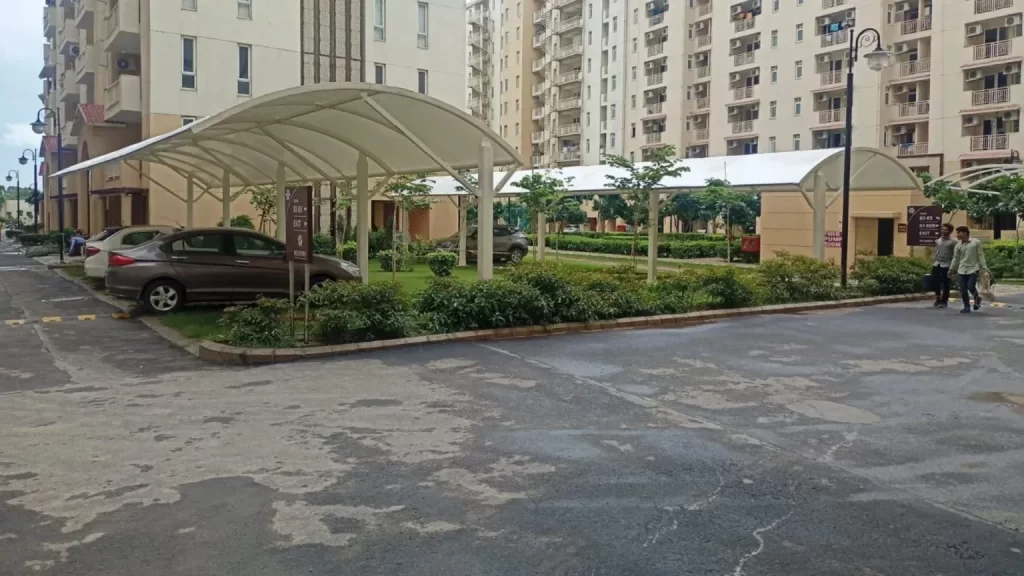
Arch-shaped systems are frequently used for walkways, stadium roofs, and parking areas.
Hypar Structures
Hyperbolic paraboloid structures provide unique architectural designs with curved surfaces.
Barrel Vault Structures
These designs create larger covered spaces and are commonly used in industrial and commercial applications. Different tensile fabric structures can be customized according to available space and project requirements.
Benefits of Tensile Fabric Structures
The popularity of tensile systems continues to increase because they offer several practical advantages.
Attractive Appearance
One of the biggest reasons for choosing a tensile fabric structure is its modern and elegant appearance. The unique shapes create visually impressive spaces that attract attention.
Lightweight Construction
Traditional construction materials often add significant weight to structures. Tensile systems are comparatively lightweight while still maintaining strength.
Large Span Coverage
These structures can cover wide spaces without requiring multiple support columns. This creates a more usable area underneath the roof.
Faster Installation
Compared to conventional construction methods, tensile systems can often be installed in less time.
Weather Resistance
Modern tensile fabric roof materials are designed to withstand sunlight, rain, and varying weather conditions.
Low Maintenance
These structures generally require minimal maintenance, reducing long-term operational costs.
Applications of Tensile Fabric Structures
The versatility of tensile systems makes them suitable for many industries and environments.
Car Parking Areas
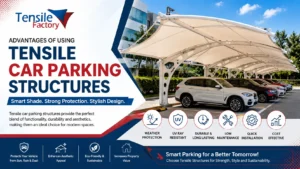
Parking sheds are among the most common applications of tensile systems because they provide protection while maintaining attractive designs.
Commercial Buildings
Shopping centers, hotels, and business complexes often use tensile roofs to improve aesthetics and functionality.
Sports Facilities
Stadiums and sports complexes frequently use tensile fabric structures because they can cover large areas efficiently.
Walkways and Entrances
Modern entrance areas often include tensile systems to create a welcoming appearance.
Residential Spaces
Homeowners increasingly use tensile fabric roof solutions for terraces, gardens, and outdoor spaces.
Industrial Applications
Factories and warehouses also use these systems for practical space coverage.
What Materials are Used in Tensile Fabric?
The performance of the structure depends heavily on the material selected. Common materials include:
- PVC-coated polyester fabric- This material is widely used because of its affordability and weather resistance.
- PTFE-coated fiberglass- This material offers excellent durability and is often used in large projects.
- ETFE membranes- ETFE is lightweight and provides high transparency.
These materials are often referred to as tensile cloth, although they are engineered specifically for structural use rather than regular fabric applications. Modern tensile fabric materials are designed to resist UV exposure, moisture, and environmental damage.
Why Tensile Fabric Structures are Becoming Popular
Modern architecture increasingly focuses on sustainability, visual appeal, and cost efficiency. Tensile systems align with these goals because they require fewer materials and provide attractive designs.
Businesses prefer these structures because they create memorable spaces while reducing construction complexity. Homeowners appreciate the flexibility and modern appearance that tensile solutions provide.
The growing demand for innovative construction methods has contributed significantly to the popularity of tensile fabric structures across different industries.
Conclusion
A tensile fabric structure is much more than a simple roofing solution. It combines advanced engineering with modern architectural design to create functional and visually attractive spaces.
From parking sheds and commercial projects to sports facilities and residential areas, these structures offer flexibility, durability, and aesthetic value. Modern tensile fabric roof systems continue to transform the way covered spaces are designed and constructed.
Tensile Factory Pvt. Ltd. specialize in delivering customized tensile fabric structures that meet diverse project requirements while maintaining quality and performance standards.