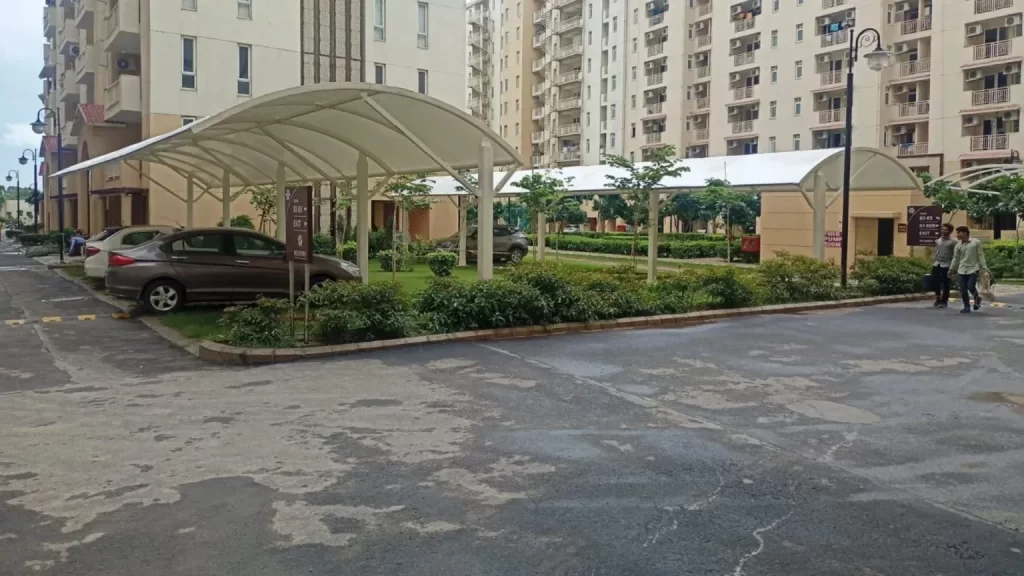
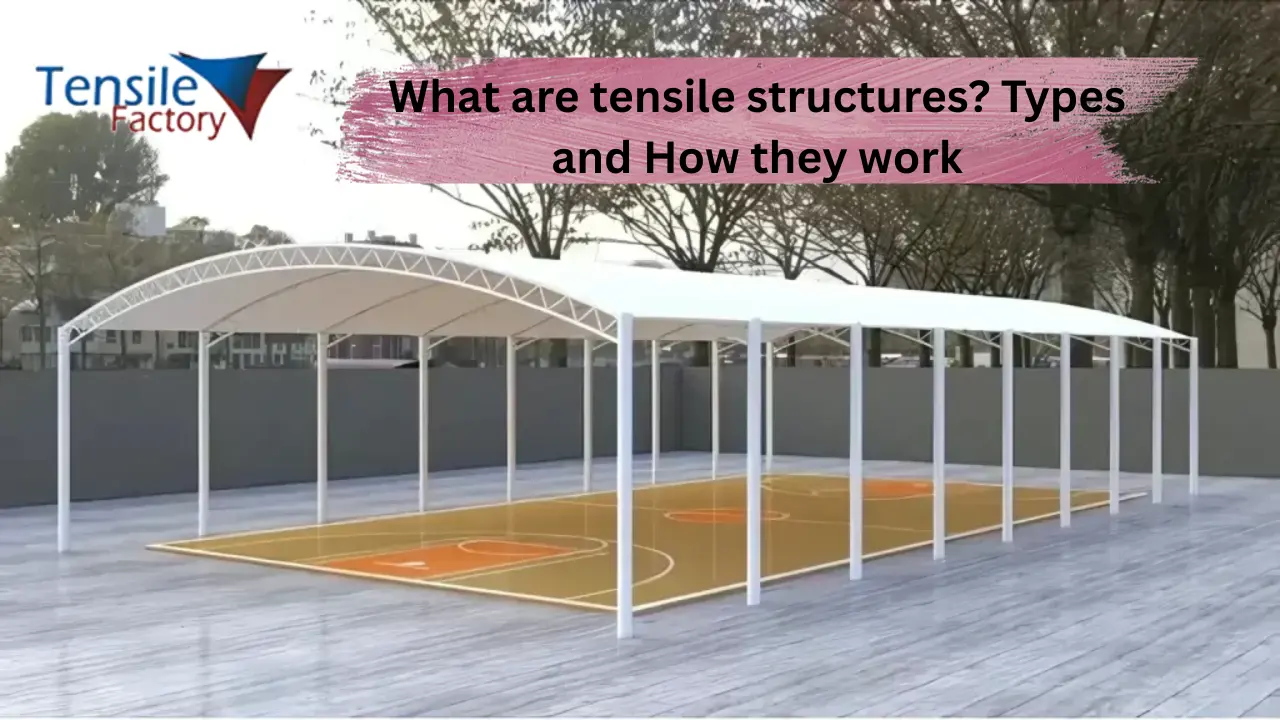
Modern architecture is always developing to design buildings that look appealing, are strong, and economical. One of the most creative ways that have been applied in the construction industry is tensile architecture. Tensile structures are being used in stadiums, commercial structures, parking areas, and even sidewalks among others due to their beauty and functionality.
Not only do proper tensile roofs increase the aesthetic beauty of the structure, but they also provide protection against sunshine, rain, and other harsh environments. Owing to their adaptability and modern designs, tensile structures have found wide acceptance in residential buildings, commercial premises, industries, and public places.
In this blog, we will discuss the nature of tensile structures, how they function, what are their characteristics, applications, advantages, and different types of tensile structures.
What Are Tensile Structures?
A tensile structure is a construction system that uses tension rather than compression to support loads. Unlike conventional buildings that rely heavily on concrete, steel columns, and rigid frameworks, tensile structures use membranes or fabric materials that are stretched tightly over supporting elements. These structures are designed to distribute loads efficiently through tension, creating lightweight yet strong roofing solutions. A tensile roofing structure typically consists of fabric membranes, steel cables, support poles, and anchoring systems that work together to create a stable and durable covering. Because of their unique design, tensile structures can span large areas without requiring numerous support columns, making them ideal for open spaces.
Also Read: What is a Tensile Fabric Structure?
How Do Tensile Structures Work?
The working principle of a tensile structure is relatively simple. The fabric membrane is stretched tightly between supporting elements such as steel frames, cables, or masts. The tension created within the membrane distributes external loads evenly across the structure.
When wind, rain, or other environmental forces act on the structure, the tensioned fabric transfers these forces to the supporting framework. This creates a stable and efficient structural system that can withstand varying weather conditions.
A properly engineered tensile roof maintains its shape and strength through balanced tension, ensuring long-term performance and safety.
Main Components of a Tensile Roofing Structure
Every tensile roofing structure consists of several key components:
Fabric Membrane
The fabric membrane is the visible covering of the structure. Common materials include:
- PVC-coated polyester fabric
- PTFE-coated fiberglass fabric
- ETFE membranes
These materials are chosen for their durability, flexibility, and weather resistance.
Steel Structure
Steel columns, masts, and frames provide support to the membrane and help transfer loads to the foundation.
Tension Cables
High-strength steel cables create and maintain the tension required for structural stability.
Anchoring System
Anchors and foundations secure the entire system and ensure resistance against wind and other external forces.
Types of Tensile Structures
Understanding the different types of tensile structures helps in selecting the right design for specific applications.
1. Cone-Shaped Tensile Structures
Cone-shaped designs are among the most popular tensile structures. These structures feature a central mast with the membrane stretched outward.
Common applications include:
- Entrance canopies
- Event venues
- Commercial spaces
- Public gathering areas
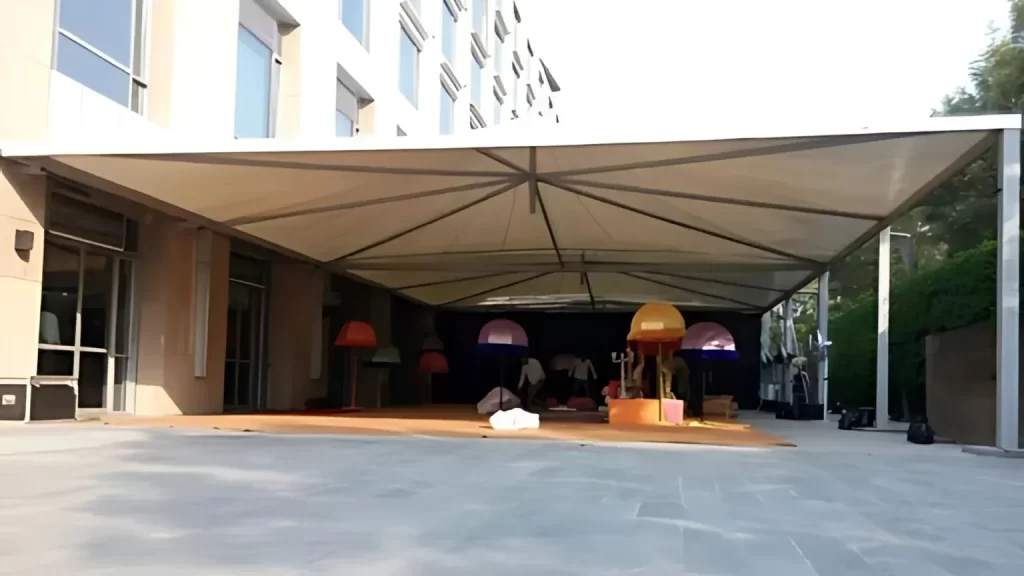
2. Arch Tensile Structures
Arch tensile structures use curved steel arches to support the fabric membrane. These designs offer excellent strength and attractive aesthetics.
Applications include:
- Stadium roofs
- Walkways
- Transportation hubs
- Exhibition centers
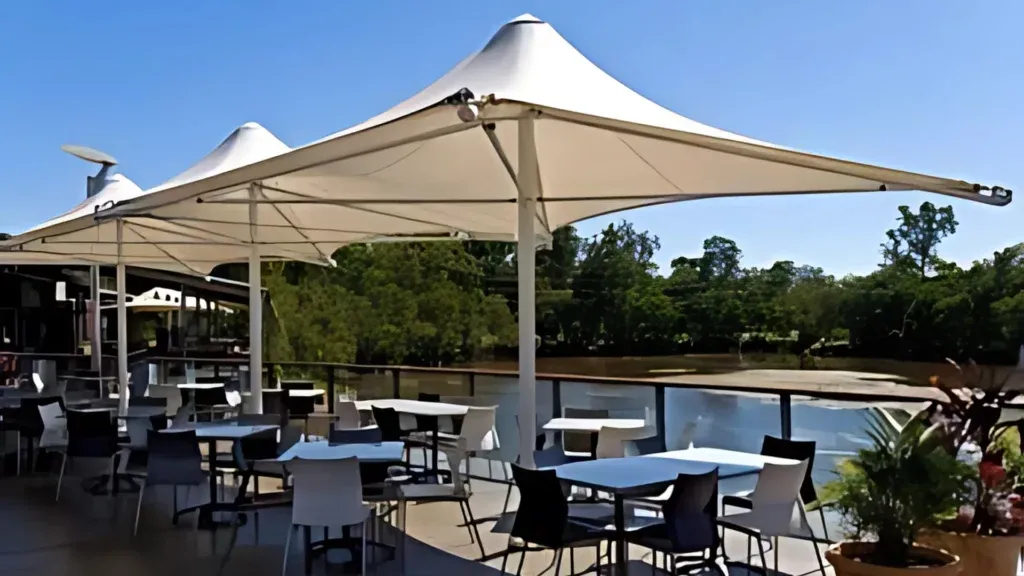
3. Hypar Tensile Structures
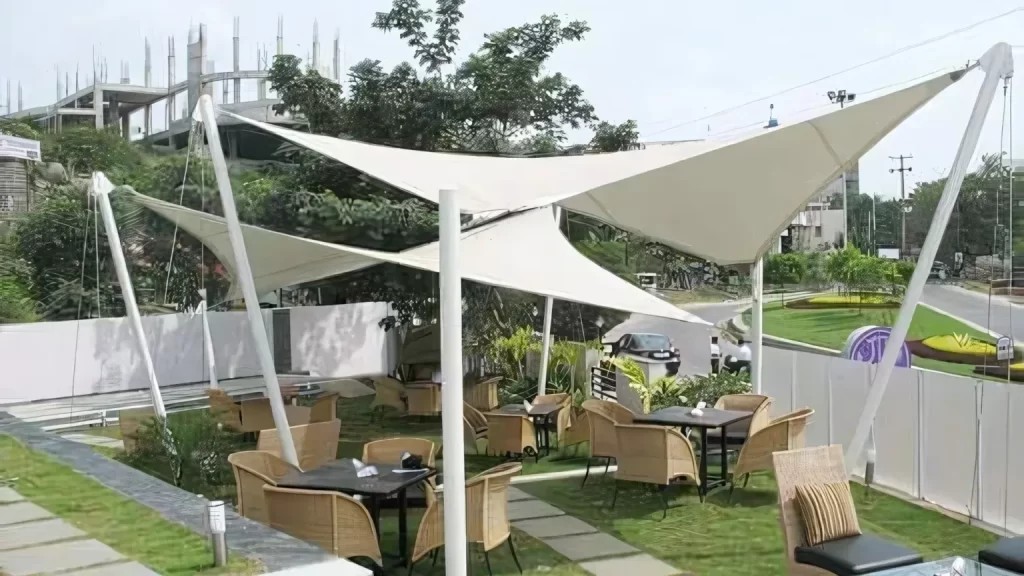
Hypar, or hyperbolic paraboloid structures, feature a unique saddle-shaped design. They provide excellent drainage and visual appeal.
These are commonly used for:
- Cafeterias
- Parks
- Resorts
- Outdoor seating areas
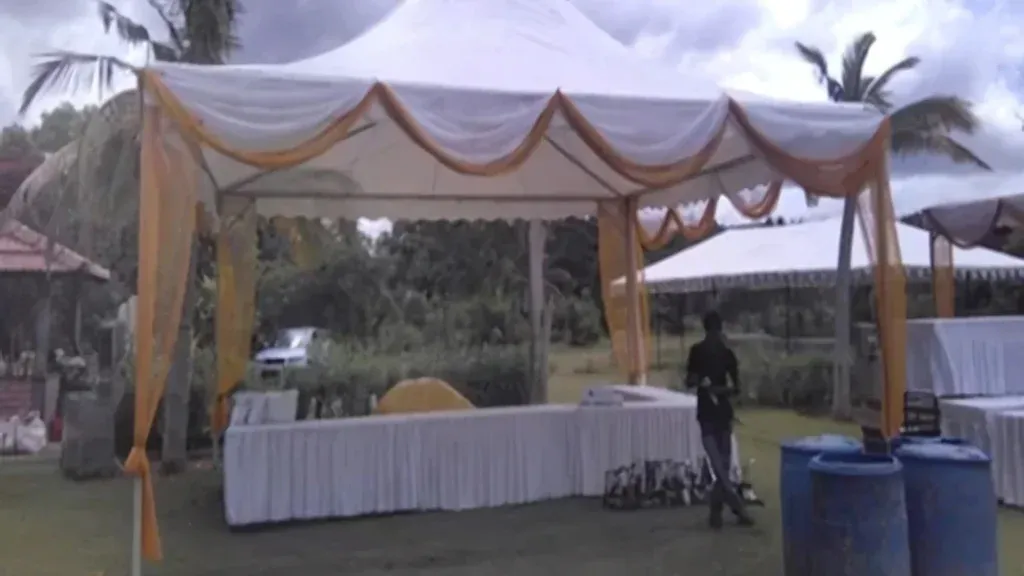
4. Barrel Vault Tensile Structures
These structures resemble a tunnel or barrel shape and provide large covered areas.
Typical applications include:
- Warehouses
- Sports facilities
- Industrial buildings
- Large public spaces
5. Free Form Tensile Structures
Free form designs allow architects to create customized and creative shapes.
These structures are often used for:
- Theme parks
- Modern commercial buildings
- Architectural landmarks
- Luxury resorts
These are cone-shaped designs commonly used in entrance areas, gardens, and parking spaces. They offer excellent water drainage and a striking architectural appearance.
Features of Tensile Structures
The growing popularity of tensile structures is due to their unique features.
- Lightweight Design- Compared to conventional roofing systems, tensile structures are significantly lighter, reducing the load on the supporting framework.
- Attractive Appearance- A modern tensile roof adds a stylish and sophisticated look to any property.
- Large Span Coverage- Tensile structures can cover large areas without multiple support columns, maximizing usable space.
- Weather Resistance- High-quality membranes provide excellent resistance against rain, sunlight, UV rays, and wind.
- Flexibility- The design flexibility of tensile structures allows architects to create customized solutions for different projects.
- Low Maintenance- Most tensile roofing materials require minimal maintenance and offer long service life.
Applications of Tensile Structures
Today, tensile structures are used across various industries and sectors.
- Commercial Buildings- Shopping malls, retail outlets, hotels, and office complexes use tensile structures to create visually appealing spaces.
- Parking Areas- A tensile roof is widely used for car parking sheds because it provides excellent weather protection and aesthetic value.
- Sports Facilities- Stadiums, sports complexes, and swimming pools often use tensile roofing systems to cover large areas efficiently.
- Airports and Transportation Hubs- Many airports and railway stations use tensile structures due to their lightweight construction and architectural appeal.
- Industrial Facilities- Factories and warehouses benefit from tensile roofing solutions for storage areas, loading zones, and workspaces.
- Educational Institutions- Schools, colleges, and universities use tensile structures for playgrounds, assembly areas, and walkways.
- Public Spaces- Parks, gardens, amphitheaters, and event venues commonly use tensile structures to create shaded and comfortable environments.
Benefits of Tensile Structures
- Cost-Effective Solution- Compared to traditional roofing systems, tensile structures often require less material and shorter installation times, reducing overall project costs.
- Quick Installation- Most tensile roofing projects can be completed much faster than conventional construction methods.
- Energy Efficiency- Many tensile membranes allow natural daylight to pass through, reducing the need for artificial lighting during the day.
- Environment-Friendly- The lightweight materials used in tensile structures reduce resource consumption and support sustainable construction practices.
- Long Service Life- High-quality membranes can last for many years while maintaining their appearance and performance.
- Design Freedom- Architects and designers can create unique shapes and structures that would be difficult to achieve using traditional roofing systems.
Why Businesses Prefer Tensile Roofing Structures
Businesses increasingly choose tensile roofing structures because they combine functionality with modern aesthetics. These structures create attractive spaces that enhance customer experiences while providing reliable protection from weather conditions.
Whether used for entrances, parking areas, outdoor dining spaces, or industrial applications, tensile structures offer a professional appearance and excellent long-term value.
Choosing the Right Tensile Structure
When selecting a tensile structure, consider the following factors:
- Project location
- Covered area requirements
- Weather conditions
- Architectural design preferences
- Budget
- Fabric material quality
- Structural engineering standards
Working with an experienced manufacturer ensures that the tensile structure is designed, fabricated, and installed according to industry standards.
Conclusion
The emergence of tensile structures in modern building has made it possible to come up with a light, strong, and aesthetically pleasing type of roof. This is due to the fact that tensile structures are capable of providing large coverage areas using few supports.
Knowledge about different types of tensile structures, characteristics, uses, and advantages enables companies and property owners to make an educated decision regarding their choice. From choosing a tensile roof that offers style in a commercial application to selecting a tensile roofing structure in a larger-scale industrial setting, they will not disappoint.
As demand for modern architectural solutions continues to grow, tensile structures remain one of the most efficient and attractive roofing options available today.