Modern architecture keeps changing as designers and engineers look for new ways to mix function, sustainability, and beauty. A big part of this is tensile fabric architecture. It’s light, looks great, and uses materials smartly. This type of building has really changed how we design public areas, offices, and fun spots.
From airport terminals and sports stadiums to shopping malls and parking areas, tensile fabric structures are becoming increasingly popular worldwide. Their ability to create large covered spaces without requiring extensive support systems makes them an attractive choice for modern construction projects. In this blog, we will explore what tensile fabric architecture is, how it works, its advantages, applications, and why it is considered a key element of modern structural design.
Understanding Tensile Fabric Architecture
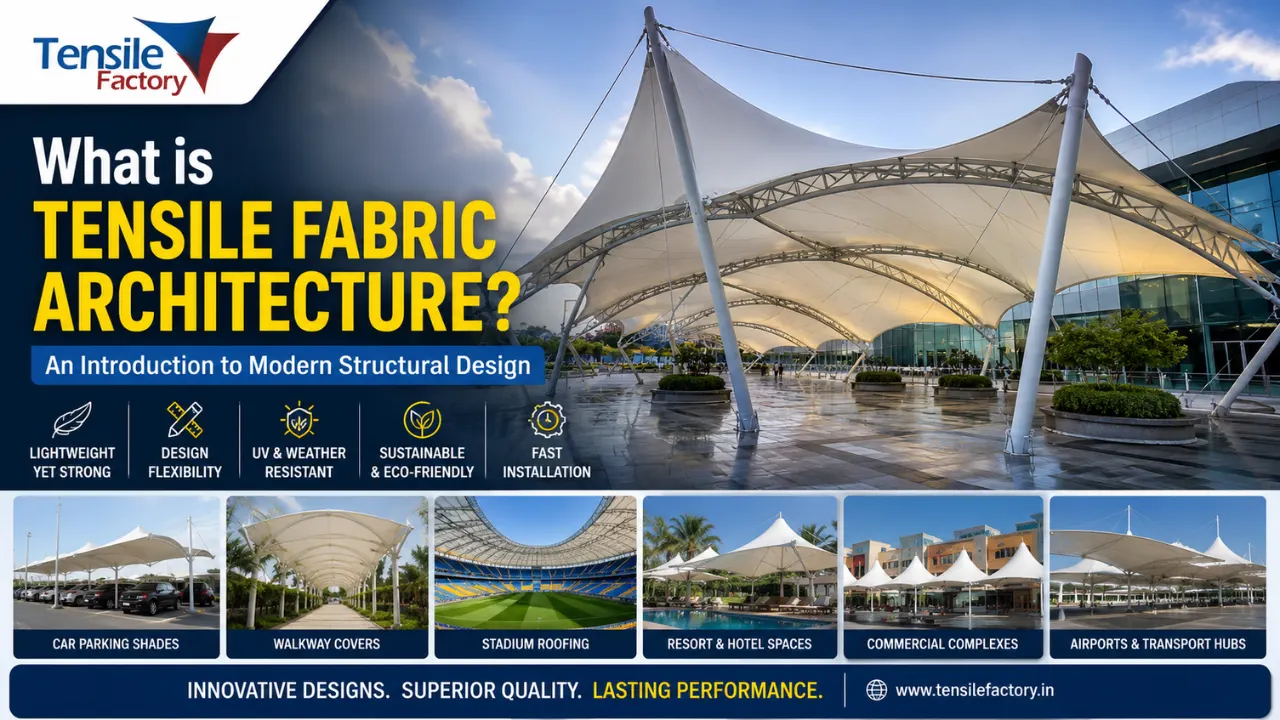
Tensile fabric architecture refers to a construction method that uses tensioned membranes supported by cables, steel frames, or other structural elements to create durable and aesthetically appealing structures. Unlike conventional buildings that rely heavily on compression and rigid materials, tensile structures derive their strength from tension.
The fabric membrane is stretched across a supporting framework, creating a stable and visually striking structure capable of covering large areas. These membranes are typically manufactured using high-performance materials such as PVC-coated polyester, PTFE-coated fiberglass, or ETFE films. The result is a lightweight yet strong architectural solution that offers both practical and aesthetic benefits.
Also Read: What is a Tensile Fabric Structure?
How Does a Tensile Fabric Structure Work?
A tensile fabric structure functions by distributing forces evenly across the membrane. The fabric remains under continuous tension, while supporting cables and steel components maintain the desired shape and stability.
The key elements include:
- Fabric Membrane- The membrane acts as the primary covering material and provides protection from sun, rain, and environmental elements.
- Structural Framework- Steel columns, arches, or masts provide support and help maintain the membrane’s tension.
- Cables and Connectors- These components distribute loads throughout the structure, ensuring stability even under challenging weather conditions.
By combining these elements, engineers can create highly efficient structures with impressive spans and unique architectural forms.
The Evolution of Architectural Fabric Structures
The concept of fabric-based architecture is not entirely new. Ancient civilizations used tents and fabric shelters for protection and mobility. However, modern technology has transformed these traditional concepts into sophisticated architectural fabric structures capable of serving a wide range of commercial and public functions.
Advancements in fabric engineering, computer-aided design, and structural analysis have enabled architects to create complex forms that were once impossible to achieve using traditional construction methods. Today, tensile architecture is recognized as one of the most innovative approaches in contemporary building design.
Key Benefits of Tensile Fabric Architecture
1. Exceptional Design Flexibility
One of the greatest advantages of tensile fabric architecture is its design freedom. Architects can create unique shapes, curves, and flowing forms that add a distinctive identity to any project. Unlike conventional roofing systems, tensile membranes can be customized to meet specific design requirements while maintaining structural integrity.
2. Lightweight Construction
A tensile fabric structure weighs significantly less than traditional concrete or steel buildings. This reduces foundation requirements and lowers overall construction costs. The lightweight nature of tensile systems also makes them suitable for areas where heavy structural loads are undesirable.
3. Large Span Coverage
Tensile structures can cover extensive areas without requiring multiple support columns. This creates open, unobstructed spaces that are ideal for public venues, sports facilities, and transportation hubs.
4. Energy Efficiency
Modern membrane materials can reflect a significant portion of solar radiation, reducing heat buildup underneath the structure. This helps improve thermal comfort while lowering energy consumption. Many architectural projects incorporate tensile canopies specifically to provide shade and improve energy efficiency.
5. Fast Installation
Compared to conventional construction methods, tensile structures can often be fabricated and installed more quickly. This reduces project timelines and minimizes site disruption.
6. Durability and Weather Resistance
High-quality membrane materials are designed to withstand harsh environmental conditions, including UV radiation, heavy rainfall, and strong winds. Properly maintained tensile structures can provide decades of reliable performance.
Common Applications of Tensile Fabric Structures
The versatility of architectural fabric structures allows them to be used across numerous industries and project types.
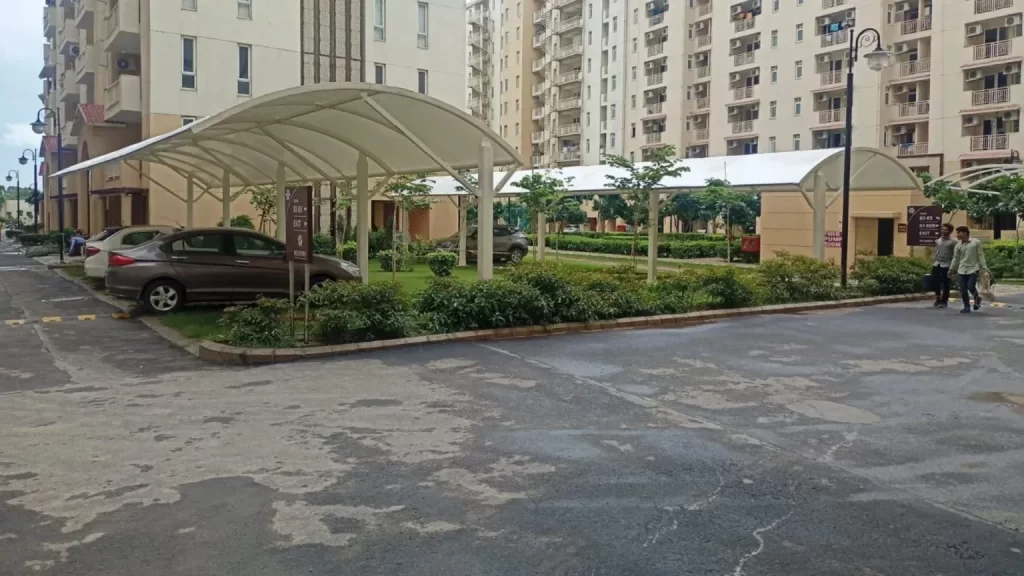
- Car Parking Shades- One of the most popular applications is vehicle protection. Tensile parking structures provide excellent shade while enhancing the visual appeal of parking areas.
- Walkway Covers- Educational institutions, hospitals, commercial complexes, and transportation facilities often use tensile walkways to create comfortable pedestrian pathways.
- Stadium Roofing- Many modern stadiums use tensile roofing systems to cover seating areas while maintaining an open-air atmosphere.
- Shopping Malls and Commercial Spaces- Retail centers frequently install tensile canopies to improve visitor comfort and create attractive outdoor spaces.
- Airports and Transportation Hubs- Large-span tensile roofs are widely used in airports, bus terminals, and railway stations due to their lightweight construction and impressive aesthetics.
- Resorts and Hotels- Luxury hospitality projects utilize tensile architecture to create stylish entrance canopies, poolside shades, and outdoor event spaces.
Why Architects Prefer Tensile Fabric Architecture
Architects increasingly choose tensile fabric architecture because it combines creativity with engineering efficiency. The ability to create iconic structures while maintaining functionality makes tensile systems highly attractive for modern projects. In addition, their sustainable characteristics align with current environmental goals and green building practices. Tensile structures also offer opportunities for natural daylighting, reducing the need for artificial lighting during daytime hours.
Sustainability and Environmental Benefits
Sustainability is a major consideration in today’s construction industry. Tensile architecture contributes to environmentally responsible design in several ways:
- Reduced material consumption
- Lower structural weight
- Energy-efficient shading
- Potential for natural lighting
- Recyclable membrane materials in certain applications
These factors make tensile systems an excellent choice for projects seeking sustainable building certifications and environmentally conscious solutions.
Future Trends in Tensile Fabric Architecture
As technology continues to advance, the future of tensile fabric structures looks promising. Emerging innovations include:
- Smart membrane technologies
- Solar-integrated tensile roofing
- Advanced ETFE systems
- Dynamic shading solutions
- Enhanced energy-efficient designs
These developments are expected to further expand the use of tensile architecture across commercial, industrial, and public infrastructure projects.
Why Choose Tensile Factory Pvt. Ltd.?
At Tensile Factory Pvt. Ltd., we specialize in designing and manufacturing premium-quality tensile fabric structures tailored to diverse project requirements. Our expertise includes parking shades, walkway canopies, entrance structures, stadium roofing, commercial tensile systems, and customized architectural solutions.
With a focus on innovation, quality materials, and precision engineering, we deliver durable and visually impressive structures that meet modern architectural demands.
Conclusion
Tensile fabric architecture has revolutionized modern structural design by offering lightweight, durable, and visually striking solutions for a wide range of applications. Whether used for parking shades, commercial spaces, transportation facilities, or large public venues, a well-designed tensile fabric structure provides exceptional performance and architectural value.
As the demand for sustainable and innovative construction continues to grow, architectural fabric structures and tensile canopies are expected to play an even greater role in shaping the future of modern architecture. Their unique combination of functionality, aesthetics, and efficiency makes them one of the most exciting developments in contemporary building design.